



rodillos de laminador
Side shearing defects, while a specialized subject within industrial manufacturing processes, are critical for understanding how to improve product quality, minimize waste, and ensure efficient production. This article offers a deep dive into side shearing defects, covering their nature, causes, prevention, and resolution, guided by the principles of Experience, Expertise, Authoritativeness, and Trustworthiness (EEAT). Industrial side shearing is a crucial process in manufacturing, particularly within the metal fabrication, textiles, and paper industries. A side shearing defect can compromise the aesthetic, structural, and functional quality of the materials produced. Although often overlooked, addressing such defects head-on can yield significant improvements in production quality and customer satisfaction. Experience in dealing with side shearing defects involves understanding the intricacies of production machinery and the materials employed. For instance, inconsistency in pressure application during shearing can lead to ragged edges or unintended deformations. Manufacturers that have invested in workforce training often exhibit reduced instances of these defects. Experienced operators are adept at identifying early symptoms of potential side shearing defects, allowing for real-time adjustments and mitigating long-term impacts. Expertise in preventing side shearing defects often involves a detailed analysis of the equipment and processes used. It is crucial for organizations to work closely with equipment manufacturers to understand the precise operational parameters within which the machinery is designed to operate optimally. Often, defects are a result of machines being used beyond their intended capacity or without periodic maintenance. Equipping factories with state-of-the-art machinery integrated with real-time monitoring technology can greatly reduce the occurrence of defects. Smart sensors that track stress and shear forces can predict potential defects before they occur, allowing preventative adjustments to be made. Authoritativeness in this field is established through continual research and development. Industry leaders are actively developing innovative solutions to mitigate side shearing defects. For example, advancements in shear blade technology involve the use of new composite materials that yield cleaner cuts and have longer operational lifespans. Institutions such as the Institute of Manufacturing Research are conducting studies on these developments, providing the industry with data-driven insights for better decision-making. Trustworthiness, vital in maintaining client relationships and industry credibility, is built through consistent quality assurance and transparent communication. Companies dealing regularly with side shearing must implement comprehensive inspection systems and quality audits to reassure clients of the product's integrity. This could involve regular third-party evaluations as well as digital tracking of defect rates . Maintaining transparent channels of communication with clients regarding production processes and the steps taken to prevent and address defects further strengthens trust. side shearing defect There are practical strategies in place to effectively deal with these defects. For instance, adjusting the blade gap and keeping it consistent across the shearing process can rectify imprecise cuts and prevent defects. Regular assessments of material quality prior to shearing are also essential, as variations in material thickness or texture can lead to unexpected shearing results. Moreover, bolstering the skill set of the workforce through training programs focused on defect identification and process optimization has proven beneficial. Scenarios often analyzed include emergency shutdown procedures in the event of a machine malfunction, ensuring minimal impact and rapid recovery during production. A case study from a leading manufacturing plant revealed that after implementing a comprehensive side shearing defect management system, there was a 30% reduction in waste material and a marked improvement in product durability. Leveraging data analytics to review historical defect occurrences, the company was able to identify root causes and implement strategic interventions effectively. The importance of addressing side shearing defects cannot be understated in today’s competitive industrial landscape. As production processes become increasingly sophisticated, the identification and mitigation of these defects become both a challenge and an opportunity for innovation. Companies that prioritize the elimination of manufacturing defects, such as side shearing, not only improve their product offerings but also enhance their brand's reputation for quality and reliability. Focusing on continuous improvement and leveraging the latest technology and industry practices will ensure that side shearing defects do not hinder industrial effectiveness but instead present an opportunity to showcase manufacturing excellence.

We have successfully executed over 500
projects around the world,
many first-of-their-kind
research projects and products in China, including
We have successfully executed over 500
projects around the world,
many first-of-their-kind
research projects and products in China, including
-
2004
The 1st hydraulic AGC system for hot rolling of ribbon steel
-
2006
The 1st AFC system used for 1450mm skin pass mill
-
2009
The 1st 5-stand tandem line with 2-stand POR & Uncoiler for 650mm ribbon steel
-
2012
The 1st reversing mill for 1380mm strip
-
2016
The 1st soft-rolling system used in skin pass mill
-
2019
The 1st fully automated medium-width tandem cold rolling mill
-
2021
The 1st 5000KN Twin-stand double skin pass mill
-
2022
The 1st coupled pickling line & tandem cold mill with two modes - big roller & small roller
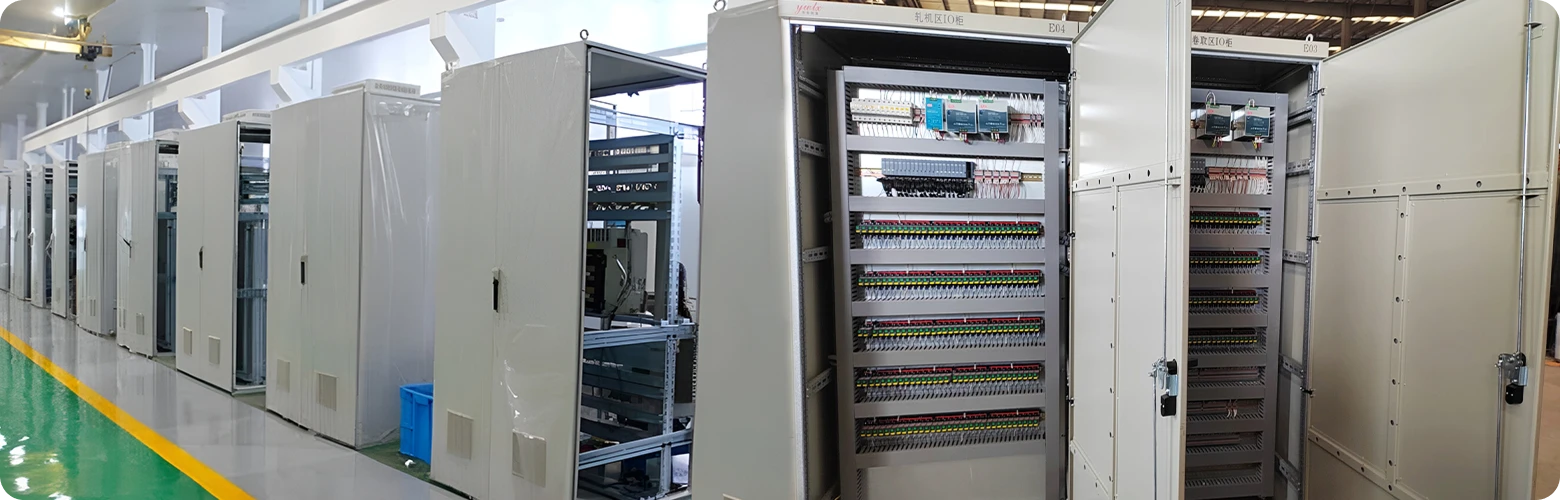
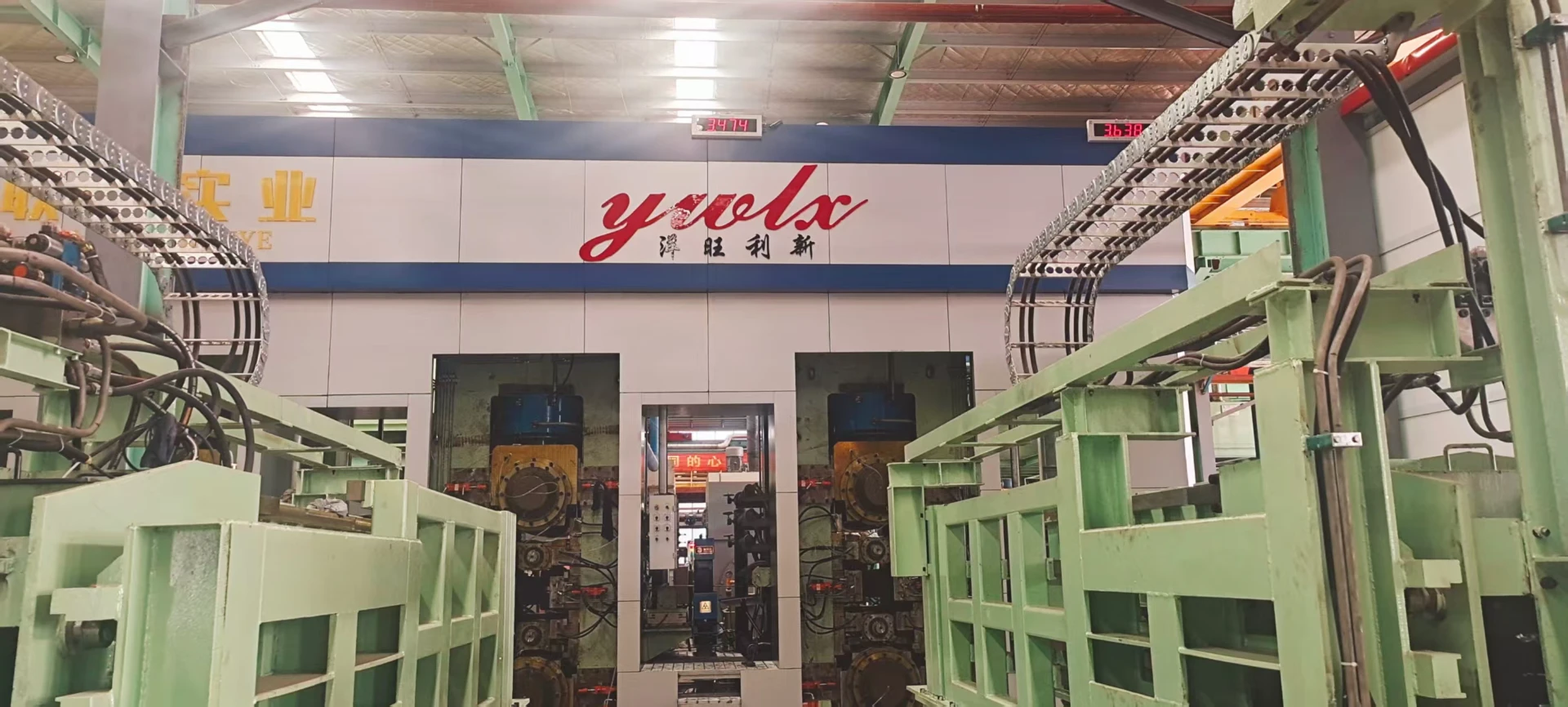
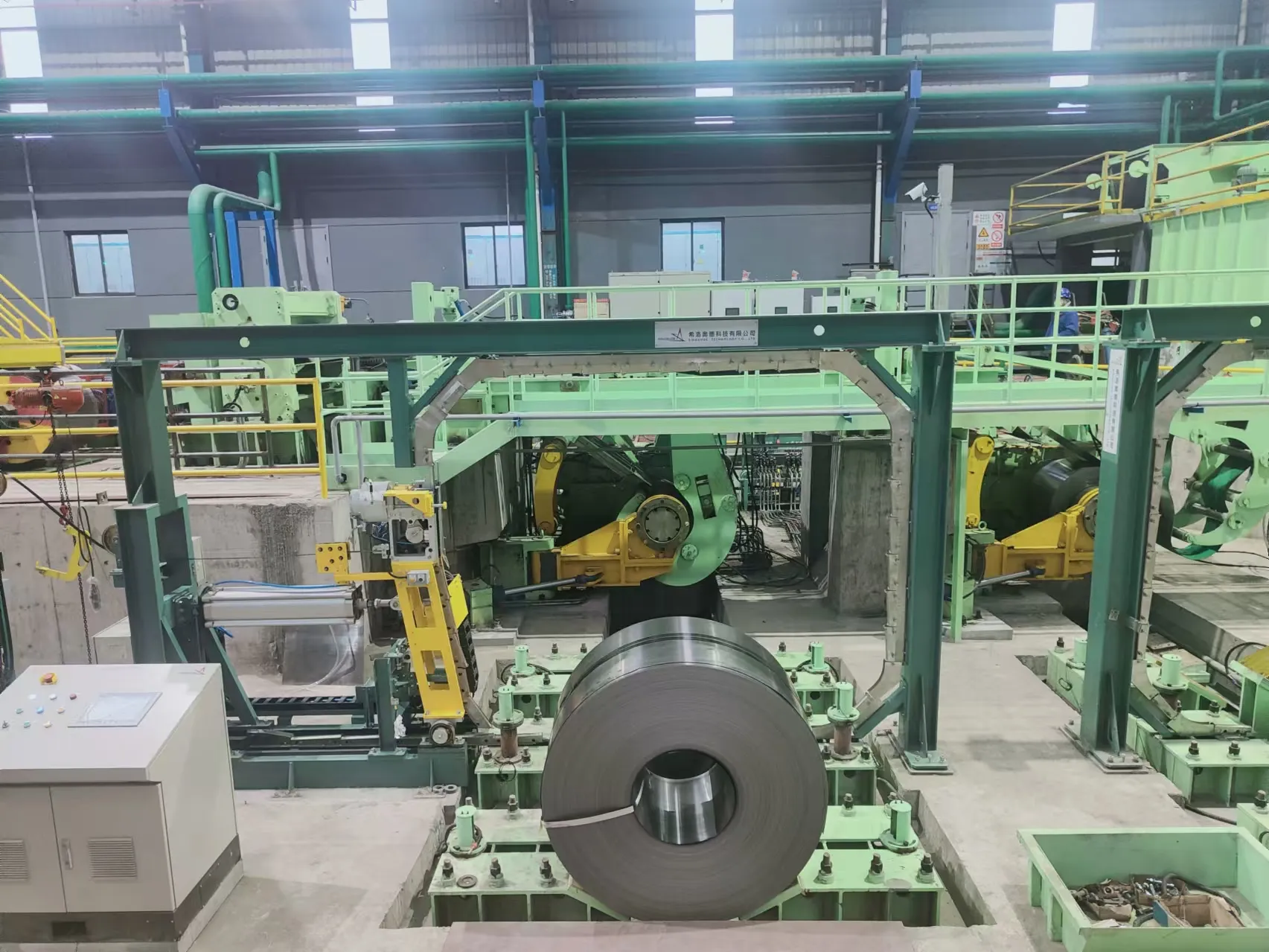
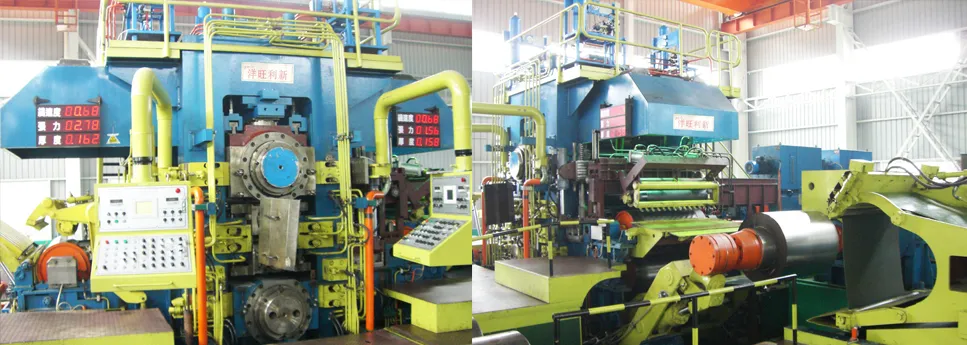
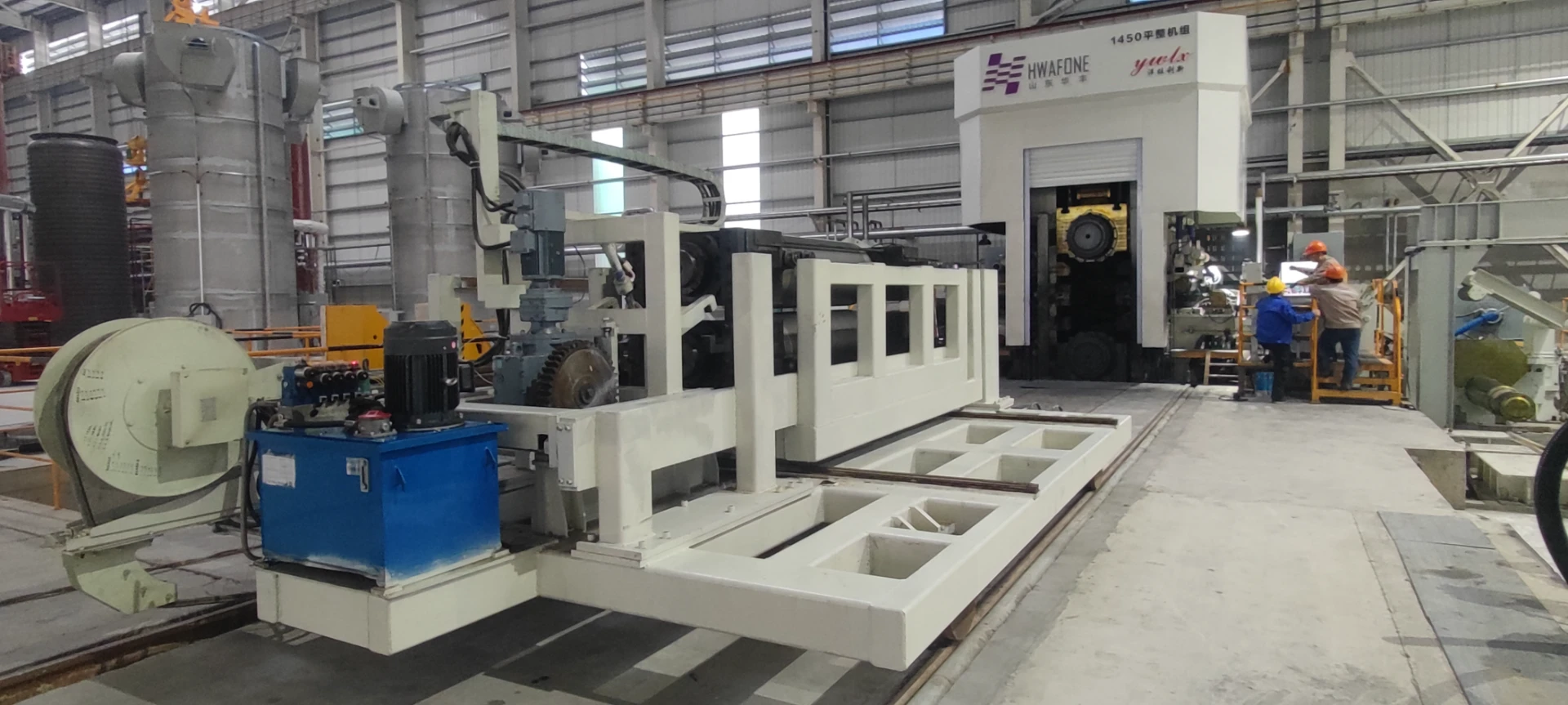
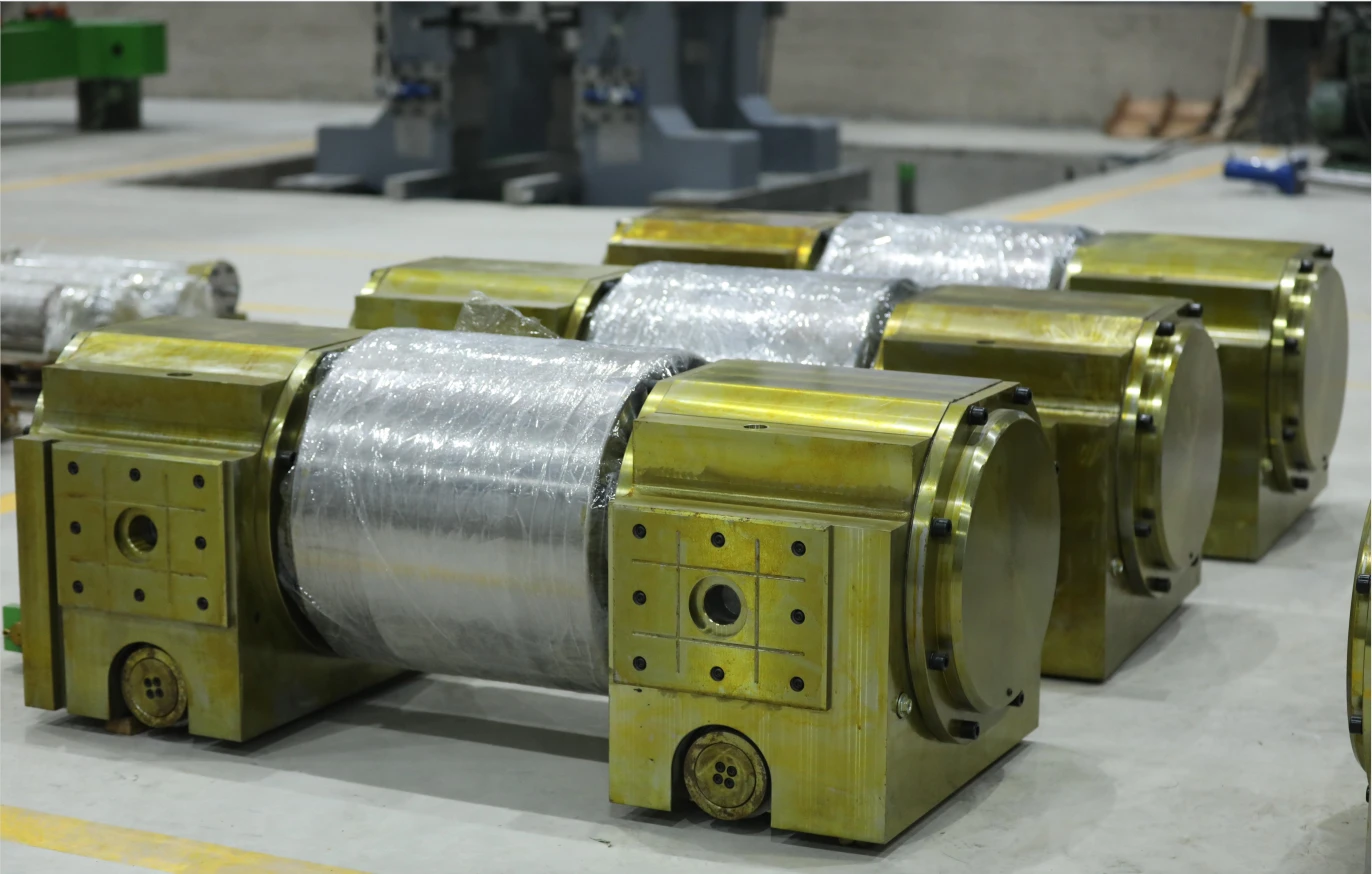
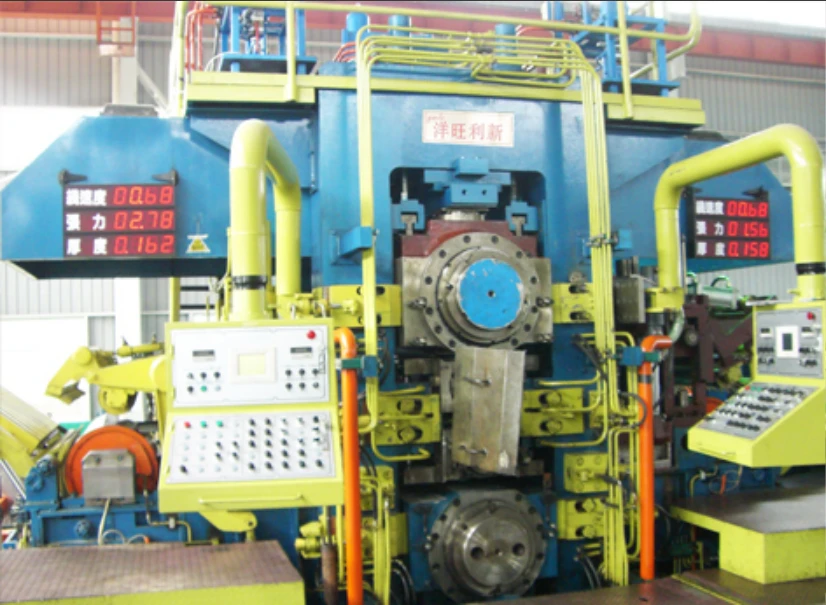
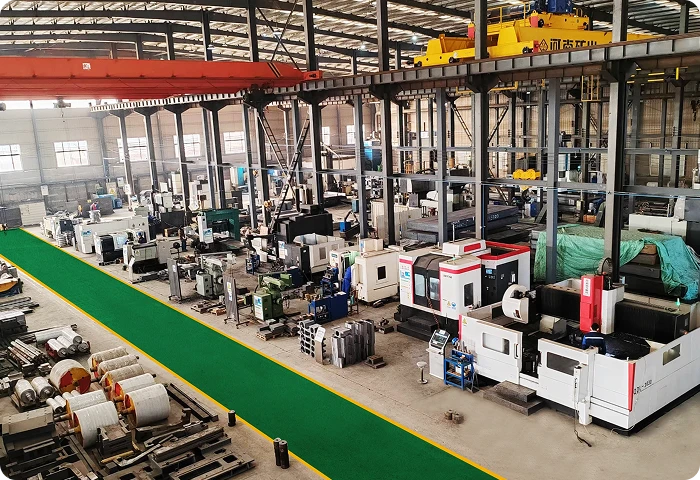
Yang Wang Li Xin operates a state-of-the-art facility over 66,000 square meters,and our manufacturing facility is fully equipped with high-tech machinery and high-capacity cranes. This enables us to handle large work pieces measuring 4.5m in width, 10m in length, and 1.5m in height, guaranteeing our capacity to produce 1800mm skin-pass mills and 1450mm rolling mills. The individual piece can weigh up to 100 tons.

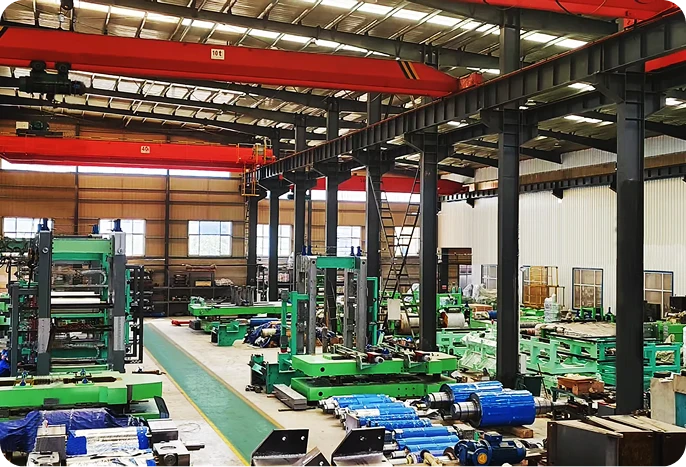

Quality is fundamental to the enterprise survival. We have established a comprehensive and meticulous quality management system and have successfully obtained ISO14000 certification. Starting from the design source, it supervises the entire production cycle, including design, procurement, processing, assembly, in-factory testing, installation, and online commissioning. The workshop is equipped with measuring tools like vernier calipers, spectrometers, hardness testers, and ultrasonic flaw detectors. They are used to check materials and control tolerances to ensure the final equipment meets or exceeds requirements. All products have a unique code, This enables the easy identification and traceability of the equipment components and ensures full control of quality.


-
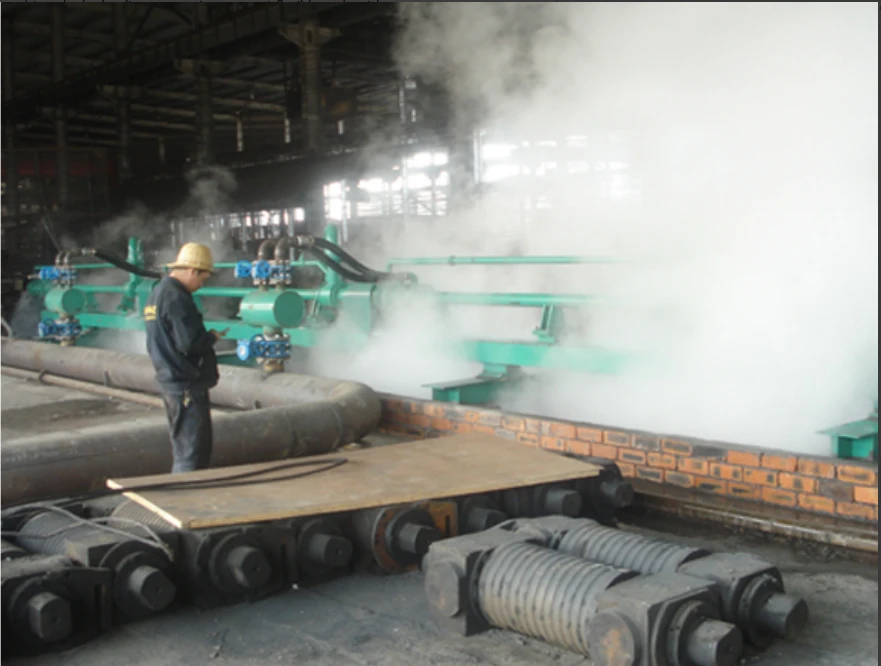
 pdf processo laminatoio a caldoUnderstanding the Hot Rolling Process An Overview The hot rolling process is a widely used technique in the metallurgical industry for shaping metals and alloys. This process involves the deformation of metal at high temperatures, which not only enhances the workability of the material but also significantly influences its mechanical properties and microstructure. The Basics of Hot Rolling Hot rol
 -
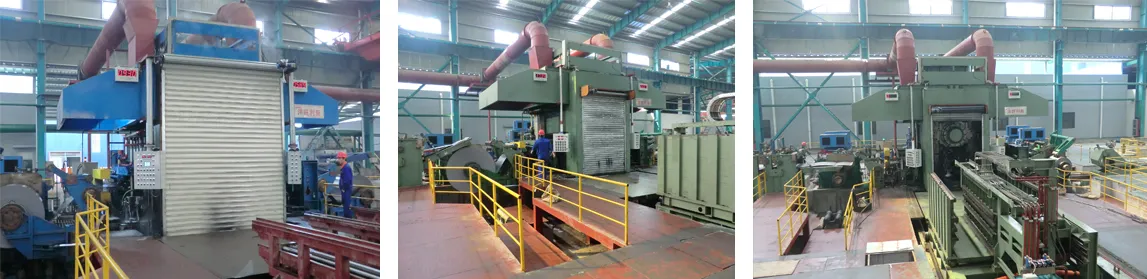 bar and wire rod rolling millBar and wire rod rolling mills are the linchpin of industrial progress , encompassing both technological innovation and craft expertise. Drawing from years of immersive experience in metallurgical engineering, this discussion explores the potent blend of precision and productivity offered by these essential machines. In the evolving landscape of advanced manufacturing, the role of bar and wire rod
 -
 Cladding Rolling Mill - Beijing Yang Wang Li Xin Sci&Tech | Cold Rolling Technology, Metal BondingIntroduction The Cladding Rolling Mill represents a significant advancement in metal bonding technology, offering a sustainable and efficient solution for producing high-quality cladding strips. Developed by Beijing Yang Wang Li Xin Sci&Tech Co.,Ltd. (formerly known as 石家庄洋旺机电技术有限公司 ), this technology addresses the limitations of traditional methods such as hot rolling and explosive cladding. By l


